
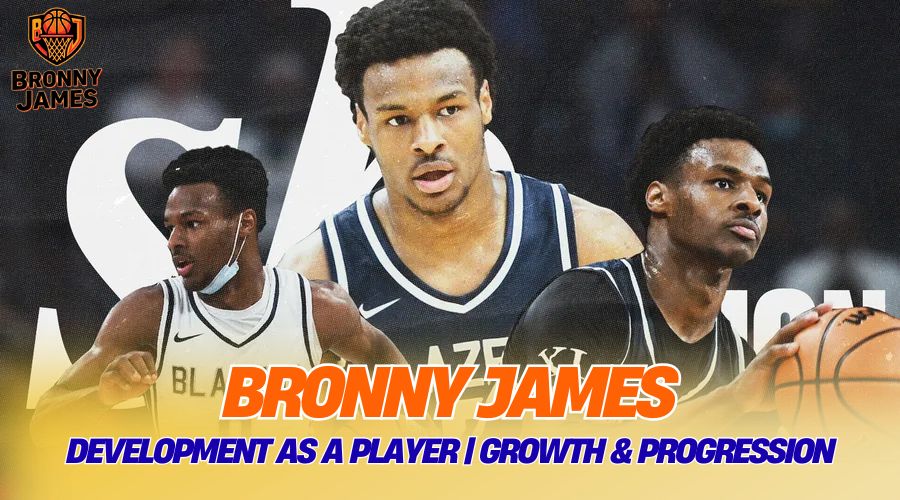
Bronny James development as a player has unfolded under conditions unlike those of most young athletes. Rather than being defined by early dominance or individual scoring output, his progression reflects a steady, system-oriented approach shaped by structure, adaptability, and long-term planning. Understanding how Bronny has developed as a basketball player requires examining context as much as performance.
This article explores Bronny James development as a player across different stages, focusing on how his skills, mindset, and on-court role have evolved over time – and why his growth trajectory prioritizes sustainability over immediate visibility.
Early Foundations of Bronny James’ Player Development
Every player’s development begins with fundamentals. For Bronny James, early skill-building was guided by patience and exposure rather than pressure to outperform peers.
These foundations continue to influence how his game functions today.
Learning the Game Before Controlling It
In his early years, Bronny was not encouraged to dominate possessions or build his identity around scoring. Instead, his development emphasized understanding the game – spacing, timing, and decision-making.
This approach allowed him to build basketball literacy before assuming greater responsibility. Rather than learning through trial and error alone, he absorbed lessons by observing how advanced players processed situations.
Building Fundamentals Over Flash
Bronny’s early training focused on core skills: ball handling, footwork, defensive positioning, and passing accuracy. These fundamentals formed a base that supported versatility rather than specialization.
By prioritizing fundamentals, Bronny developed adaptability – an essential trait for long-term growth in competitive systems.

Skill Progression Through Youth and High School Levels
As Bronny advanced into more competitive environments, his development shifted from foundational learning to role refinement. Each stage added layers rather than replacing previous skills.
This gradual progression shaped how evaluators view his long-term potential.
Adapting to Team-Oriented Systems
At the high school level, particularly in elite programs, Bronny was required to operate within structured systems. Usage was limited, and roles were defined by team needs rather than individual ambition.
This environment reinforced habits such as:
- Moving without the ball
- Defending primary and secondary options
- Making quick, low-risk decisions
Rather than hindering development, these constraints accelerated his understanding of team basketball.
Physical Development and Athletic Maturity
Like many young players, Bronny’s physical development occurred gradually. Rather than relying on early physical advantages, he learned to compete through positioning, anticipation, and effort.
As his strength and conditioning improved, these habits remained, allowing physical growth to complement rather than redefine his game.

Offensive Development and Decision-Making
Offensive development is often measured by scoring totals, but Bronny James’ growth on offense reflects a different metric: decision quality.
His offensive evolution emphasizes efficiency over volume.
Ball Handling, Passing, and Offensive Flow
Bronny’s ball-handling ability supports control rather than creativity. He maintains spacing, initiates secondary actions, and moves the ball decisively.
Passing remains a key component of his offensive value. He reads defensive coverage quickly and prioritizes maintaining offensive rhythm rather than forcing advantage.
Developing Scoring Confidence
One area of ongoing development is assertiveness. While capable of scoring, Bronny often defers to maintain flow. Increasing confidence in attacking open opportunities represents a natural next step in his progression.
This growth phase reflects maturation rather than limitation, particularly for players transitioning into higher-level competition.
Defensive Growth as a Core Development Pillar
Defense is central to Bronny James development as a player. From early stages, defensive engagement was treated as a requirement rather than a bonus.
This emphasis continues to define his on-court identity.
On-Ball Defense and Positional Awareness
Bronny’s defensive growth is visible in his footwork, balance, and anticipation. He consistently positions himself to contain rather than gamble, prioritizing team defense over individual disruption.
This approach earns trust from coaches and aligns with professional defensive standards.
Team Defense and Communication
Beyond individual matchups, Bronny demonstrates strong awareness within team defensive schemes. Rotations, help defense, and communication are areas where his development stands out.
These traits often determine playing time at higher levels, reinforcing the value of his defensive growth.
Mental Development and Basketball IQ
Physical skills alone do not define player development. Bronny James’ growth as a player includes significant mental and cognitive components.
His basketball IQ continues to shape how his game translates across levels.
Processing Speed and Game Awareness
Bronny processes the game quickly, identifying options before pressure escalates. This awareness allows him to operate effectively without high usage.
Such processing speed reflects years of structured exposure and reinforces his adaptability within different systems.
Learning Through Role Acceptance
Accepting defined roles is a skill in itself. Bronny’s willingness to contribute without dominating usage demonstrates maturity and long-term vision.
This mindset supports development in professional environments where roles evolve gradually.

Transitioning Development Into College and Beyond
As Bronny entered higher levels of competition, development priorities shifted again – from learning systems to preparing for professional expectations.
This transition requires patience and refinement rather than reinvention.
College-Level Adjustments and Learning Curve
College basketball introduced increased physicality, speed, and complexity. Bronny’s development during this phase emphasized defense, conditioning, and role clarity.
Rather than expecting immediate expansion, his growth followed a measured path aligned with professional development models.
Preparing for Long-Term Professional Growth
Bronny James development as a player increasingly aligns with long-term professional pathways, including rotational roles, two-way potential, and system fit.
This preparation reflects awareness that sustained careers are built through reliability and adaptability.
Public Evaluation vs. Development Reality
Public evaluation often focuses on what Bronny James is not rather than what he is becoming. This disconnect stems from misunderstanding development timelines.
Understanding context clarifies this gap.
Why Development Appears Slower to Casual Viewers
Because Bronny’s game is not built around highlight production, progress may appear understated. However, internal metrics – decision-making, defensive reliability, and system fit – tell a different story.
Development is occurring beneath the surface.
The Value of Incremental Growth
Incremental growth supports durability. Rather than peaking early, Bronny’s progression allows for continued improvement across multiple seasons.
This approach mirrors how many long-term professional contributors are developed.
How Bronny James’ Development Shapes His Future
Bronny James development as a player positions him as a long-term investment rather than an immediate solution. His strengths – defense, basketball IQ, and adaptability – align with modern professional needs.
As his offensive assertiveness grows, his overall impact is likely to expand within structured environments.
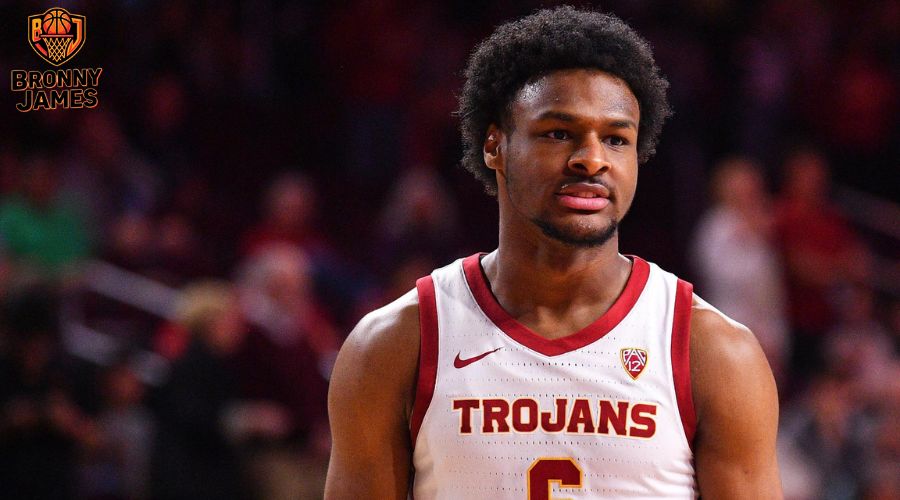
Conclusion: Development Built on Patience and Purpose
Bronny James development as a player reflects intention rather than urgency. Each stage builds upon the last, reinforcing fundamentals, mental processing, and role acceptance.
Rather than chasing visibility, his progression prioritizes sustainability. This approach may not produce instant recognition, but it supports long-term growth and professional viability.
In that sense, Bronny James’ development represents a modern model – one where patience, structure, and adaptability shape the path forward.
For a broader view of how his skills and responsibilities have evolved over time, see our Career coverage.
