
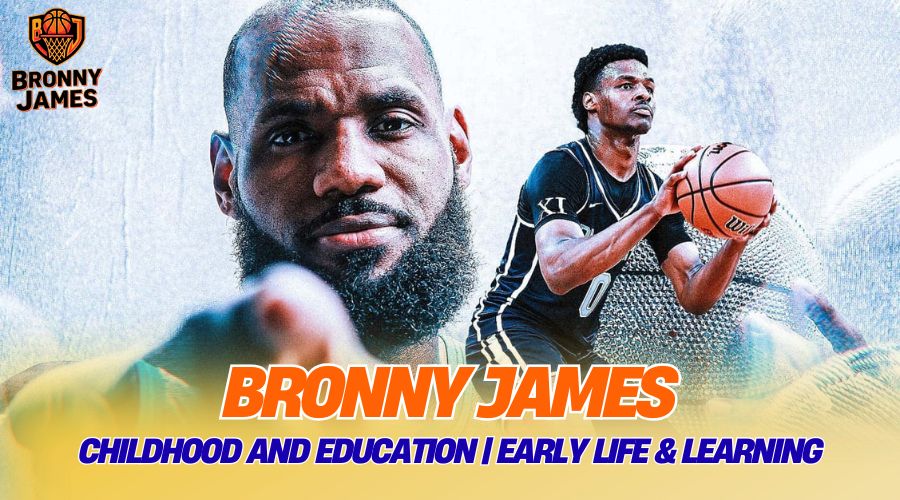
Bronny James childhood and education offer a rare look at how a young athlete can grow up under global attention while still maintaining structure and balance. As the son of LeBron James, Bronny experienced a childhood unlike most of his peers, yet his early years were shaped less by fame and more by routine, accountability, and learning.
Understanding Bronny James childhood and education helps explain why his development has been steady rather than rushed, and why his approach to basketball reflects patience, composure, and long-term thinking.
Early Childhood in a Highly Visible Environment
Bronny James childhood began under circumstances few children experience. From an early age, his family name carried global recognition, shaping how the world perceived him long before he formed his own identity.
Despite this visibility, his early environment emphasized stability rather than spectacle.
Growing Up in the Public Eye
Born in Cleveland, Ohio, Bronny spent his early childhood surrounded by constant media attention tied to his father’s NBA career. Public appearances, travel, and exposure to professional sports environments became part of daily life.
Rather than isolating him from this reality, his family approached it with openness. Bronny learned early that attention was not something to fear or seek, but something to manage. This perspective reduced the emotional shock that often accompanies sudden visibility later in life.

Maintaining Normal Childhood Experiences
Despite access to extraordinary opportunities, Bronny’s childhood included many ordinary experiences. School attendance, friendships, and family routines remained priorities. He was encouraged to socialize with peers and participate in age-appropriate activities outside of basketball.
This balance helped Bronny develop social awareness and emotional grounding, preventing detachment from everyday experiences that are essential to healthy childhood development.
Education as a Foundational Priority
While basketball surrounded Bronny James from an early age, education remained a central pillar of his upbringing. Academic responsibility was treated as essential rather than optional.
This emphasis reinforced the idea that personal development extended beyond athletics.
Schooling and Academic Expectations
Bronny attended private schools that emphasized both academics and extracurricular involvement. Regardless of travel schedules or athletic commitments, school performance mattered. Assignments, classroom behavior, and academic accountability were consistently reinforced.
This approach helped Bronny develop time management skills early, learning how to balance competing demands without neglecting responsibility.
Learning Discipline Through Education
Education played a key role in shaping Bronny’s discipline. Meeting academic expectations required consistency, focus, and self-regulation – traits that later translated directly into his approach to basketball training.
Rather than viewing school as a formality, Bronny learned to treat it as a space for growth, structure, and long-term preparation.
Exposure to Basketball Without Educational Compromise
Bronny James’ childhood included unique access to elite basketball environments, yet this exposure did not replace educational priorities. Instead, the two were positioned to complement each other.
This balance helped prevent early burnout and identity overload.
Observing Professional Preparation
Through his father, Bronny witnessed how professional athletes prepared for competition – film study, recovery routines, and daily discipline. However, these experiences were framed as observational rather than participatory.
He learned that success was built through preparation and repetition, not shortcuts. This lesson reinforced the importance of education as part of a broader learning process.
Separating Learning From Performance
Bronny’s early exposure to basketball was not measured by results. Wins, losses, and statistics were secondary to understanding fundamentals and teamwork. This approach mirrored his academic experience, where effort and consistency mattered more than immediate outcomes.
The parallel between education and athletics reinforced a growth-oriented mindset.
Character Development Through Structured Learning
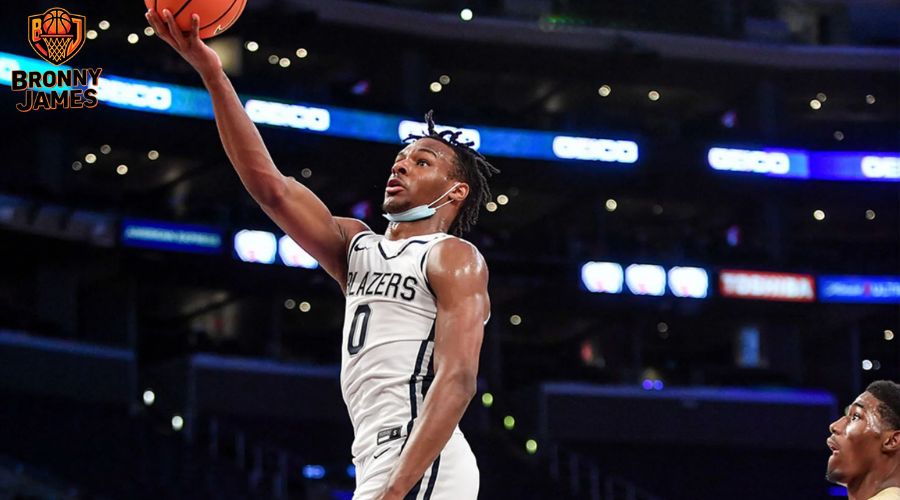
Education also played a significant role in Bronny James’ character development. Classrooms, teachers, and school environments contributed to shaping his emotional regulation and interpersonal skills.
These lessons extended beyond textbooks.
Developing Emotional Control and Focus
School environments require attention, patience, and respect for structure. Navigating these expectations helped Bronny develop emotional control, particularly important for a child frequently observed by others.
Teachers and mentors often emphasized listening, reflection, and accountability – skills that later became visible in his calm public demeanor.
Building Communication and Social Skills
Education provided opportunities for Bronny to interact with peers outside athletic settings. Group projects, classroom discussions, and social interactions helped him develop communication skills essential for teamwork.
This experience balanced the individual focus often associated with elite sports development.
The Role of Family in Education and Childhood Balance
Bronny James childhood and education were shaped by coordinated family involvement. Guidance came from multiple perspectives, ensuring balance rather than pressure.
This support system reinforced consistency across environments.
Parental Influence on Learning Priorities
Savannah James played a particularly influential role in emphasizing education, balance, and emotional health. Academic expectations were reinforced at home, and learning was framed as a lifelong process.
LeBron James complemented this approach by modeling discipline and preparation, demonstrating how learning extends beyond formal education.
Creating Stability Amid Travel and Change
Frequent travel is a reality for families connected to professional sports. Maintaining educational consistency required planning and communication. Bronny’s family prioritized stability wherever possible, minimizing disruption to schooling.
This effort reinforced adaptability without sacrificing structure.
Public Perception vs. Reality of Childhood and Education
Public narratives often oversimplify Bronny James’ childhood as privileged or accelerated. In reality, his education followed a deliberate, measured path focused on sustainability.
Understanding this contrast is essential for evaluating his development accurately.
Dispelling the Myth of Effortless Advantage
While resources were available, expectations remained high. Education demanded effort. Behavior carried consequences. Visibility did not eliminate responsibility.
This distinction explains why Bronny’s development appears grounded rather than inflated.
Why His Educational Path Matters
Education provided Bronny with tools to manage pressure, structure time, and regulate emotion. These skills are not immediately visible in box scores but are critical for long-term success in competitive environments.
How Childhood and Education Shape Bronny James Today
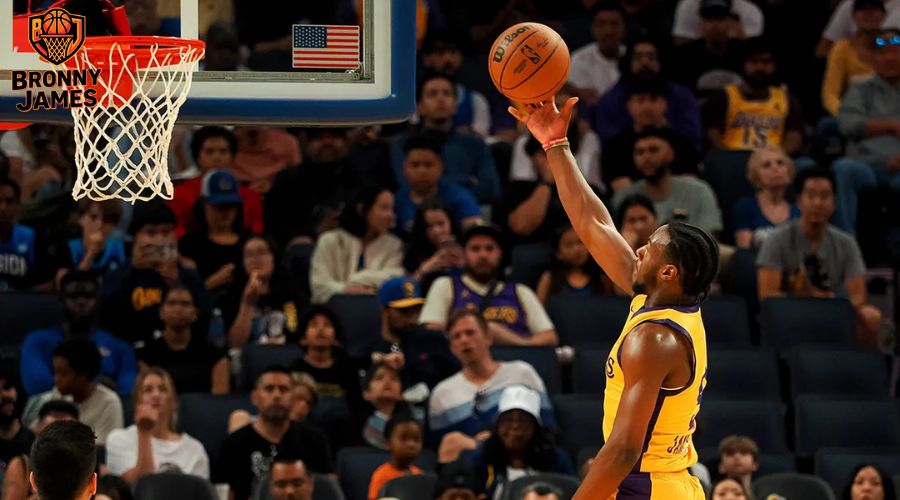
The influence of Bronny James childhood and education is evident in how he approaches basketball and public life. His composure, willingness to learn, and respect for structure reflect early lessons reinforced consistently over time.
Rather than reacting impulsively, he evaluates situations thoughtfully. Rather than seeking attention, he allows progress to speak for itself.
These tendencies are the product of intentional upbringing and educational balance.
Conclusion: A Childhood and Education Built for Long-Term Growth
Bronny James childhood and education were shaped by balance rather than excess, learning rather than acceleration. In an environment where fame could have overwhelmed development, structure provided clarity.
Education played a central role in grounding his identity, reinforcing discipline, and supporting emotional maturity. Together, these elements created a foundation designed not for immediate recognition, but for sustained growth.
In this way, Bronny James childhood and education reflect a modern blueprint – one that values patience, perspective, and preparation as much as talent.
To explore more about the experiences and foundations that shaped him, visit our Biography section.
