
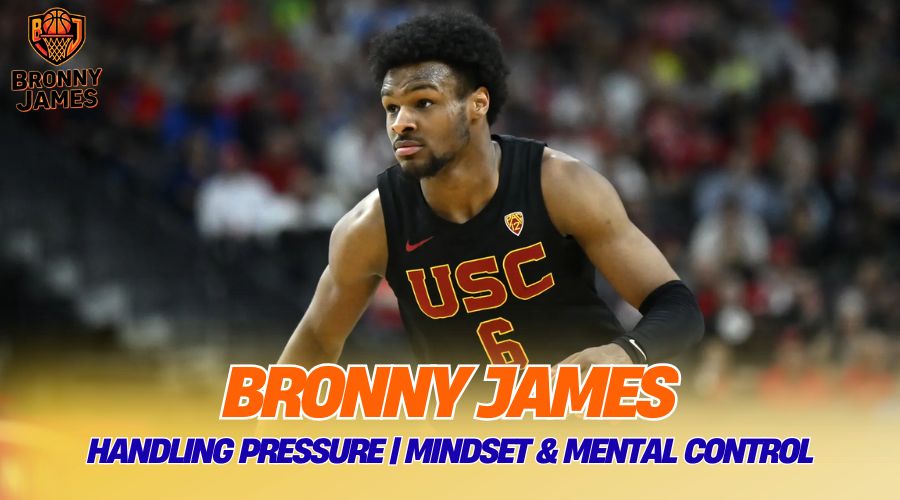
Bronny James handling pressure is not a side story in his career – it is central to it. Few young athletes in modern sports have developed under a level of expectation as constant and visible as his. From early childhood through high school and into college basketball, pressure has followed Bronny not as an occasional challenge, but as a permanent condition.
Understanding how Bronny James handles pressure requires moving beyond highlight culture and examining mindset, environment, and behavioral consistency. His approach reveals how pressure can be managed, absorbed, and ultimately integrated into long-term development rather than resisted or dramatized.
The Origins of Pressure in Bronny James’ Career
Pressure rarely appears suddenly. For Bronny James, it emerged gradually, shaped by legacy, public attention, and narrative framing long before competitive results became the focus.
Recognizing where this pressure comes from is essential to understanding how it is handled.
Legacy-Based Expectations From an Early Age
As the son of LeBron James, Bronny’s name carries immediate associations. Public expectations were formed before his playing style, role, or personality became known. Comparisons emerged early and persisted regardless of context.
This type of pressure differs from performance-based scrutiny. It is symbolic rather than earned, placing weight on identity rather than output. Learning to live with this distinction became one of Bronny’s earliest psychological challenges.
Media Visibility and Continuous Evaluation
Unlike most young athletes, Bronny’s performances – good or bad – were often interpreted beyond the game itself. Social media, commentary, and speculation amplified routine moments into broader narratives.
This constant evaluation created an environment where pressure was not tied to specific events but embedded in daily participation.

Early Conditioning for High-Pressure Environments
Handling pressure effectively is often the result of preparation rather than reaction. Bronny James’ upbringing played a critical role in conditioning him for sustained scrutiny.
Rather than attempting to eliminate pressure, his environment emphasized normalization.
Normalizing Attention Rather Than Avoiding It
From youth competitions onward, Bronny was exposed to attention without being placed at the center of it. Public recognition was acknowledged but not elevated. This approach reduced novelty and prevented pressure from becoming overwhelming.
Over time, attention became a background factor rather than a focal point – an important psychological adjustment for long-term stability.
Structure as a Buffer Against External Noise
Consistent routines, expectations, and accountability provided Bronny with internal anchors. Structure created predictability, allowing external pressure to exist without disrupting daily focus.
This buffering effect remains visible in his calm demeanor and measured responses under scrutiny.
Handling Pressure Within Competitive Basketball Settings
Pressure intensifies in competitive environments, particularly as stakes rise. For Bronny James, each transition – high school, college, and beyond – introduced new layers of expectation.
How he handled these moments reveals adaptive strategies rather than avoidance.
Role Acceptance as a Pressure-Management Tool
One of the most effective ways Bronny manages pressure is through role acceptance. Rather than attempting to meet external expectations through overextension, he commits to defined responsibilities.
This approach shifts focus from outcome to execution. Defensive assignments, spacing, and decision-making provide clarity in high-pressure moments.
Reducing Pressure Through Process Orientation
By emphasizing process over result, Bronny reduces emotional volatility. Mistakes are framed as part of execution rather than personal failure.
This orientation allows him to remain composed during games where external narratives might otherwise dominate perception.
Mental Discipline and Emotional Regulation
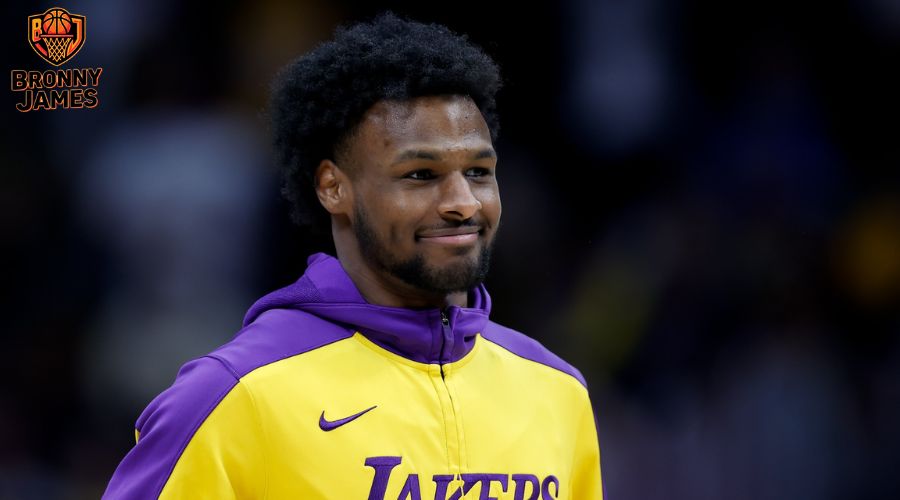
Pressure often manifests emotionally – through anxiety, frustration, or urgency. Bronny James’ handling of pressure reflects deliberate emotional regulation rather than suppression.
These habits have been reinforced consistently over time.
Controlled Emotional Expression
Bronny’s body language and reactions during competition are notably restrained. Celebrations are measured, frustrations are contained, and focus remains forward-facing.
This control does not indicate disengagement; rather, it reflects an understanding that emotional stability supports consistent performance.
Responding Rather Than Reacting
Under pressure, reaction often leads to rushed decisions. Bronny’s tendency to pause, assess, and respond reflects cognitive discipline.
This skill is particularly valuable in late-game situations and high-stakes environments.
Public Pressure Versus Internal Standards
One of the most challenging aspects of Bronny James handling pressure is navigating the gap between public expectation and internal evaluation.
Understanding how these standards are balanced is key to evaluating his mental resilience.
Separating Identity From Narrative
Public narratives frequently define Bronny through comparison. Internally, his focus remains on growth, preparation, and role execution.
This separation allows him to absorb feedback without internalizing external judgment.
Using Internal Benchmarks for Progress
Rather than measuring success through headlines or social media response, Bronny relies on internal benchmarks – film review, coaching feedback, and personal improvement.
This internal validation system provides stability amid fluctuating public opinion.
Handling Pressure During Setbacks and Uncertainty
Pressure intensifies during setbacks. Injuries, reduced minutes, or public criticism test an athlete’s resilience.
Bronny James’ handling of pressure during such moments highlights adaptability rather than fragility.
Responding to Adversity Without Escalation
Setbacks are treated as temporary conditions rather than defining events. Bronny’s response emphasizes patience, recovery, and preparation.
This approach prevents pressure from compounding into self-doubt.
Maintaining Perspective Under Scrutiny
Perspective allows Bronny to contextualize challenges within a longer timeline. Rather than reacting to isolated moments, he maintains focus on cumulative development.
This long-view mindset reduces urgency-driven mistakes.
The Role of Support Systems in Pressure Management
Pressure is rarely managed alone. Bronny James’ ability to handle pressure reflects coordinated support rather than individual endurance.
Understanding this system provides clarity on sustainability.
Family and Mentorship Influence
Family guidance reinforces balance, reminding Bronny that performance does not define personal worth. Mentorship provides perspective rooted in experience rather than speculation.
This support reduces emotional isolation.
Coaching and Structured Feedback
Clear communication from coaches reduces ambiguity – a major source of pressure. Defined expectations and consistent feedback provide clarity.
This structure allows Bronny to focus on controllable factors.
How Pressure Handling Shapes Bronny James’ Long-Term Outlook
Bronny James handling pressure effectively does more than protect performance – it shapes career longevity. Athletes who manage pressure sustainably often adapt better as roles evolve and expectations shift.
Bronny’s approach suggests readiness for professional environments where scrutiny is constant and roles are fluid.
Rather than being overwhelmed by pressure, he integrates it into routine.
Conclusion: Pressure as a Managed Constant, Not a Defining Obstacle
Bronny James’ handling of pressure reflects a mature, process-driven approach shaped by environment, structure, and emotional discipline. Pressure has never been absent from his career, but it has also never controlled it.
By normalizing scrutiny, accepting defined roles, and prioritizing internal standards, Bronny transforms pressure from a threat into a manageable constant. This approach does not eliminate challenge – but it allows growth to continue under it.
In modern basketball, where visibility and expectation often overwhelm development, Bronny James’ approach to handling pressure offers a blueprint built on patience, perspective, and resilience.
This perspective is part of a broader examination of mindset and resilience in our Mental Strength section.
