
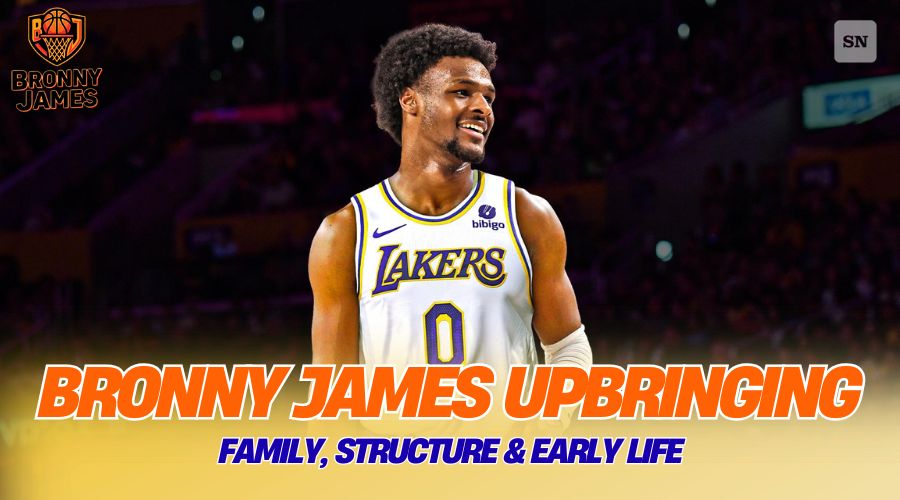
Bronny James upbringing offers rare insight into how structure, discipline, and expectation shape a young athlete growing up under constant public attention. As the son of LeBron James, Bronny was exposed to elite basketball environments early, yet raised with clear boundaries that emphasized accountability, balance, and long-term development over instant recognition.
A Structured Home Environment From the Beginning
Behind the public image of the James family lies a household built around routine and accountability. Bronny James upbringing emphasized structure over indulgence, even as global fame surrounded his early years.
This foundation helped separate opportunity from entitlement and set clear expectations for behavior and effort.
Routine, Accountability, and Family Standards
From a young age, Bronny was raised within a framework where daily routines mattered. School schedules, practice commitments, and family responsibilities followed consistent patterns. Fame did not excuse discipline.
LeBron James and Savannah James reinforced the idea that preparation applies to all aspects of life – not just basketball. Effort was expected regardless of environment, and accountability remained constant whether at home or in public.
Normalcy Within an Extraordinary Lifestyle
Despite access to elite facilities and experiences, the family made a conscious effort to preserve normal childhood experiences. Bronny attended school regularly, participated in age-appropriate activities, and was not isolated from peers.
This balance helped him develop social awareness and humility, preventing early detachment from reality that often affects children raised in high-profile environments.
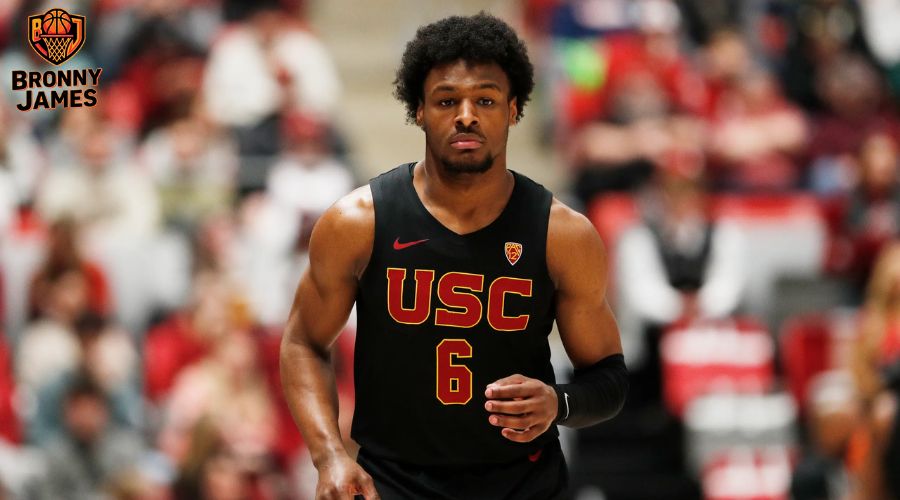
Growing Up With a Famous Last Name
Carrying one of the most recognizable names in sports history shaped Bronny James upbringing in ways both visible and subtle. Public attention arrived early, but how it was managed made the difference.
Rather than shielding him completely, the family emphasized understanding and control.
Early Exposure to Public Attention
From youth basketball tournaments to casual public appearances, Bronny was frequently recognized long before he fully understood why. Cameras, spectators, and commentary became part of his environment at an unusually young age.
Instead of reacting emotionally, Bronny learned to observe. Attention was treated as something to acknowledge, not chase. This perspective reduced the shock of visibility later in his career.
Managing Expectations Without Internalizing Pressure
Comparisons to LeBron James followed Bronny almost immediately. However, within the household, expectations were reframed. The focus remained on personal growth rather than replication.
Bronny was encouraged to measure progress internally – through effort, learning, and consistency – rather than external comparisons. This distinction helped him coexist with expectation without allowing it to define his self-worth.
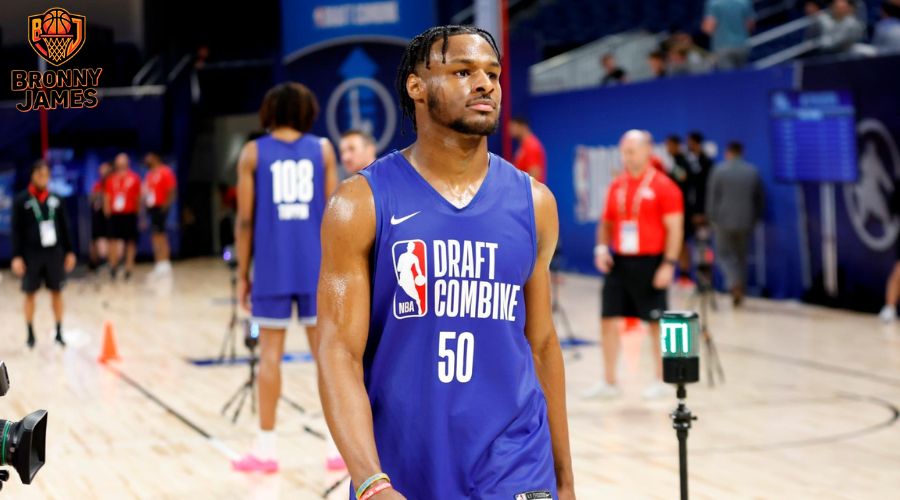
Early Relationship With Basketball
Basketball was always present in Bronny James upbringing, but it was not imposed as a singular identity. His early relationship with the game reflected patience rather than urgency.
This approach aligned with long-term athlete development principles.
Exposure Without Early Specialization
During his early years, Bronny participated in multiple sports, allowing him to develop coordination, balance, and general athleticism. Basketball skills were introduced gradually, with emphasis on fundamentals rather than dominance.
This prevented early burnout and encouraged adaptability – traits that later became visible in his versatile playing style.
Learning the Game Through Observation
One of the most unique elements of Bronny’s upbringing was proximity to professional basketball environments. He spent time around NBA practices, locker rooms, and training sessions.
However, this access came with boundaries. Bronny observed rather than participated. He learned how professionals prepared, communicated, and handled setbacks, absorbing lessons without being placed in adult roles prematurely.
Education and Personal Development
Beyond sports, Bronny James upbringing placed consistent emphasis on education and character development. Academic responsibility was treated as a parallel priority, not a fallback.
This balance reinforced the idea that basketball was part of a broader personal foundation.
Academic Expectations and Balance
Education remained non-negotiable. School performance mattered, and academic discipline was reinforced alongside athletic commitments. This emphasis helped Bronny develop time management skills early.
Balancing academics and athletics fostered a mindset where effort extended beyond the court – a theme that continues to define his approach to development.
Emotional Discipline and Self-Regulation
Bronny’s upbringing also emphasized emotional control. Public visibility can magnify emotional reactions, particularly in young athletes. Learning how to regulate responses became an essential life skill.
This training is evident in his calm demeanor during interviews, measured body language on the court, and restrained social media presence.
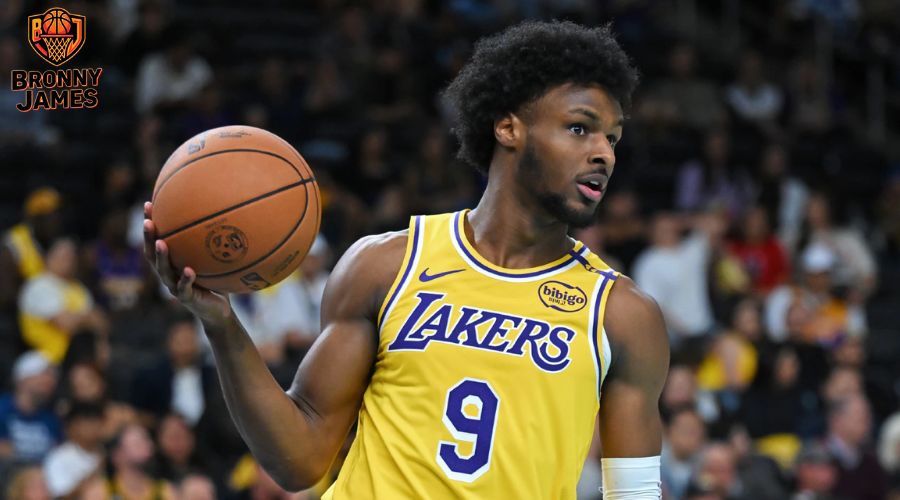
Family Influence and Support System
While LeBron James’ influence is undeniable, Bronny’s upbringing was shaped by a collective support system. Multiple voices contributed to guidance, ensuring balance and perspective.
This environment allowed feedback to remain constructive rather than overwhelming.
Parental Roles and Complementary Guidance
LeBron James provided firsthand insight into professional sports, while Savannah James emphasized balance, stability, and accountability. Together, they created a dynamic where ambition was supported but never unchecked.
This dual influence helped Bronny navigate development without being consumed by a single narrative.
Security Through Consistent Support
Mistakes were treated as learning moments rather than failures. Success was acknowledged but not exaggerated. This consistency built emotional security and confidence rooted in preparation rather than validation.
Upbringing Versus Public Perception
Public narratives often simplify Bronny James upbringing as privileged or accelerated. In reality, his development followed a slower, more deliberate path.
This contrast explains why his progress sometimes appears understated.
The Myth of Effortless Advantage
While access existed, nothing was handed to Bronny without expectation. Training demanded discipline. Playing time required effort. Attention did not replace accountability.
Understanding this distinction is key to evaluating his career realistically.
Why His Development Appears Different
Bronny’s upbringing prioritized sustainability over speed. Rather than chasing early dominance, the focus remained on long-term growth. This approach often delays visible breakthroughs but strengthens foundations.
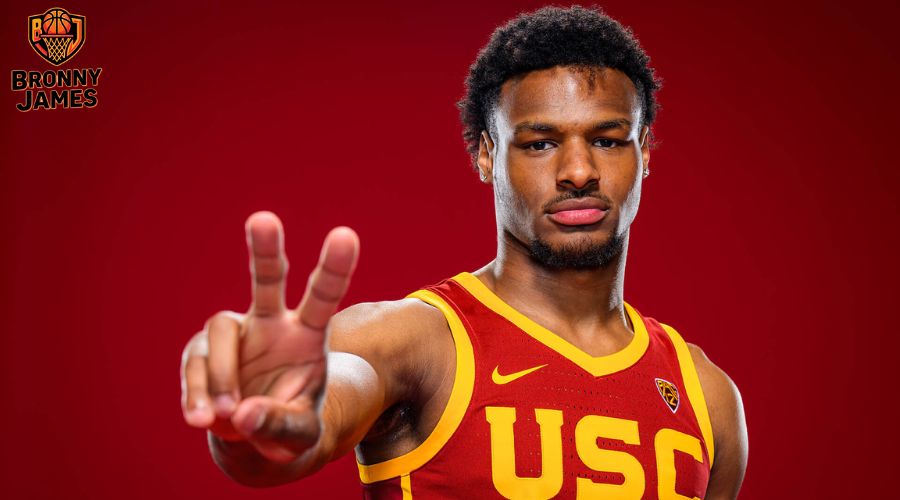
How Bronny James upbringing Shapes His Career Today
The influence of Bronny James upbringing is visible in how he approaches basketball now. His comfort within structured systems, willingness to accept defined roles, and emphasis on team concepts all trace back to early lessons.
Rather than forcing identity, he allows it to develop through experience. Rather than seeking validation, he relies on preparation.
These traits are not accidental – they are cultivated.
Conclusion: An Upbringing Designed for Longevity
Bronny James upbringing was not engineered to create immediate stardom. It was built to support longevity, balance, and resilience. In an environment where excess could have overshadowed growth, structure provided stability.
This foundation continues to guide Bronny’s journey. His upbringing prepared him not only to play basketball, but to navigate a career shaped by expectation, scrutiny, and continuous development.
In that sense, Bronny James upbringing represents a modern blueprint – one where legacy exists, but discipline defines the path forward.
To explore more about the experiences and foundations that shaped him, visit our Biography section.
